✔ Double-glazed units
✔ Lightweight
✔ Results in 2 seconds
✔ Easy-to-use interface
✔ Double and triple-glazed units
✔ Portability for on-site use
✔ Measures through most coatings and laminations
Ensure your insulating glass units not only look good but perform reliably. Sparklike provides industry leading non-destructive gas measurement solutions that deliver accurate real time data on insulating gas levels, thickness, and IGU quality. Gas measurement is a critical part of modern insulating glass unit quality assurance and production control.
Insulating gases such as argon and krypton significantly improve thermal performance and energy efficiency in double and triple glazed units. Without proper measurement, insulating glass units can lose up to thirty percent of their insulation performance. Visual inspection alone cannot verify gas content or long term performance quality.
Gas fill rate is a functional performance parameter that directly affects thermal insulation, seal durability, and long term energy efficiency. While visual and optical inspection systems are essential for detecting surface defects, they cannot assess internal gas concentration or seal integrity. Gas measurement completes the quality control process by verifying actual insulating performance.
Sparklike devices are used globally by insulating glass manufacturers, quality control laboratories, façade specialists, and inspectors to verify correct gas filling during production, detect under filled or leaking units, support warranty claims with measured data, and evaluate insulating glass units during installation, renovation, or reuse.
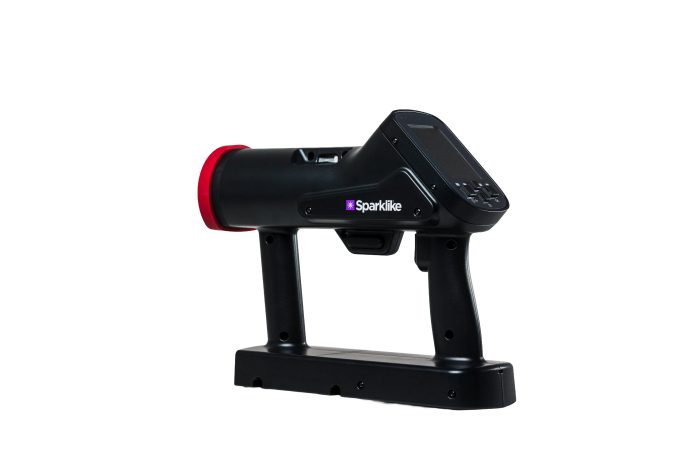
✔ Double-glazed units: Accurately measure insulating gas concentration in double-glazed units without breaking the glass.
✔ Portable and lightweight: Compact design makes it easy to carry and use on-site or in the factory.
✔ Results in 2 seconds: Get instant readings to identify potential production issues and ensure quality control.
✔ Easy-to-use interface: Intuitive design allows for quick and efficient operation by production staff.
✔ Supports quality assurance: Ensure your insulating glass units meet energy efficiency and durability standards.
✔ Double and triple-glazed units: Measure gas concentration in both double and triple-glazed units without breaking the glass or compromising the IGU.
✔ Portability for on-site use: Compact and portable, perfect for both factory quality checks and on-site inspections.
✔ Measures through most coatings and laminations: Accurate readings even through low-emissivity (Low-E) coatings and laminated glass.
✔ Laser technology for precision: Advanced laser technology ensures precise gas concentration measurement in sealed units.
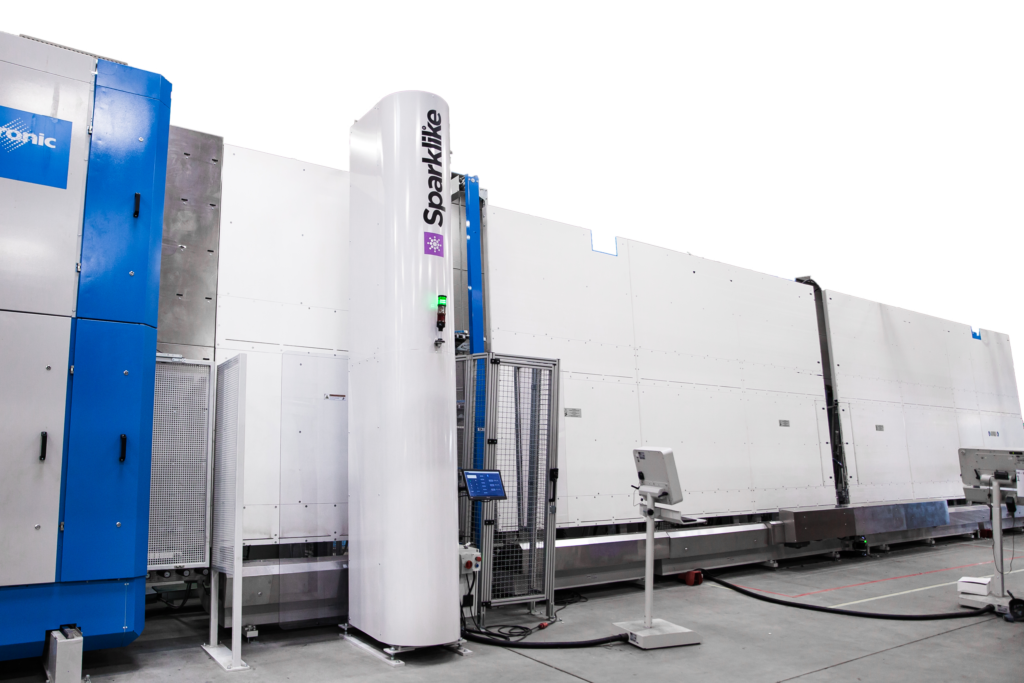
✔ Automated non-invasive measurement: Integrated directly into the production line for seamless, non-invasive gas concentration measurement in IGUs.
✔ Continuous quality assurance: Provides real-time data for double and triple-glazed units without interrupting the production process.
✔ Measures through most coatings and laminations: Laser technology ensures accurate gas readings even through Low-E coatings and laminated glass.
✔ Boosts production efficiency: Automates quality checks, reducing manual intervention and minimizing production delays.
✔ Ensures compliance and reliability: Guarantees that all IGUs meet energy efficiency and durability standards without compromising on speed.
✔ Increased production control: Detects faults such as gas filling issues early, preventing costly rework and warranty claims.
Visual inspection systems and optical scanners are effective tools for detecting visible defects such as scratches, inclusions, or dimensional deviations. However, they cannot evaluate internal insulating gas content or thermal performance.
Gas measurement adds a functional performance layer to quality control by verifying insulation efficiency, seal quality, and compliance with performance requirements. Together, visual inspection and gas measurement form a complete insulating glass quality assurance strategy.
Verify gas fill rate to ensure insulating glass units meet performance targets, energy efficiency expectations, and regulatory requirements.
Identify gas filling issues early in the process and reduce rejects, rework, and warranty risks.
Provide measured data to support performance claims, certifications, and customer confidence.
Measure gas concentration over time to assess durability, maintenance needs, or suitability for reuse in renovation projects.