
Argon gas is widely used in argon double pane windows and triple pane windows to improve thermal performance and energy efficiency. It is injected into the space between glass panes in sealed insulating glass units (IGUs), where it acts as an invisible but highly effective insulating layer.
Below, we explain why argon gas is used in windows, what benefits it offers, and what limitations should be considered especially from a quality and performance perspective.
What Is Argon Gas and Why Is It Used in Double Pane Windows?
Argon is a colorless, odorless, non-toxic noble gas. Compared to air, argon is denser and has lower thermal conductivity, which is why it is commonly used in double pane and triple pane windows.
When argon replaces air between the panes, it slows down heat transfer through the window and improves insulation without altering the appearance of the glass.
Key Benefits of Argon Gas in Windows
Argon gas is utilized in windows for several reasons, primarily to enhance thermal performance and energy efficiency. Here are the key benefits:
- Improved Insulation:
- In argon-filled double pane windows, the denser gas between the panes reduces heat transfer by conduction and convection. This helps maintain indoor temperatures more effectively than air-filled windows.
- Reduced Heat Loss and Gain:
- The insulating properties of argon help reduce heat loss during cold weather and limit heat gain during warm weather. This results in a more stable indoor temperature, reducing the need for excessive heating or cooling and leading to energy savings.
- Enhanced Energy Efficiency:
- Because less energy is required to maintain comfortable indoor temperatures, argon double pane windows contribute directly to overall building energy efficiency. This can support compliance with energy performance targets and building regulations.
- Compliance with Energy Codes:
- Many regional energy efficiency standards and window performance guidelines either recommend or require the use of insulating gases such as argon. Properly filled IGUs help manufacturers and builders meet these requirements.
- Condensation Reduction:
- By reducing temperature differences between the inner and outer glass surfaces, argon-filled windows are less prone to condensation forming on the interior pane—improving both comfort and long-term window performance. Read Foggy Windows, Seal Integrity & How to Ensure Airtight Insulating Glass Units.
- Sound Insulation:
- While primarily chosen for thermal performance, argon gas can also contribute to sound insulation. The increased density of the gas helps dampen sound waves, providing a quieter indoor environment.
- Long-Term Performance:
- Argon-filled IGUs are designed as sealed units to maintain their insulating properties over time. However, long-term performance depends heavily on manufacturing quality and seal integrity.
Pros and Cons of Argon Double Pane Windows
Advantages
- Improved thermal insulation compared to air-filled windows
- Lower energy consumption for heating and cooling
- Better indoor comfort throughout the year
- Widely accepted and proven technology
Limitations to Consider
- Argon gas can slowly leak over time if seals fail
- Performance losses are invisible without measurement
- Difficult to verify gas fill levels without specialized equipment
This makes quality control and verification during production critical, especially for manufacturers aiming to deliver consistent window performance.
Argon Gas Compared to Alternatives
While argon is the most commonly used insulating gas, other options exist:
- Air-filled windows: Lower cost, but significantly lower insulation performance
- Krypton-filled windows: Better thermal performance than argon, especially in narrow cavities, but higher cost
- Low-E coatings: Often used together with argon gas to further improve energy performance
The best solution depends on IGU structure, climate conditions, and performance requirements.
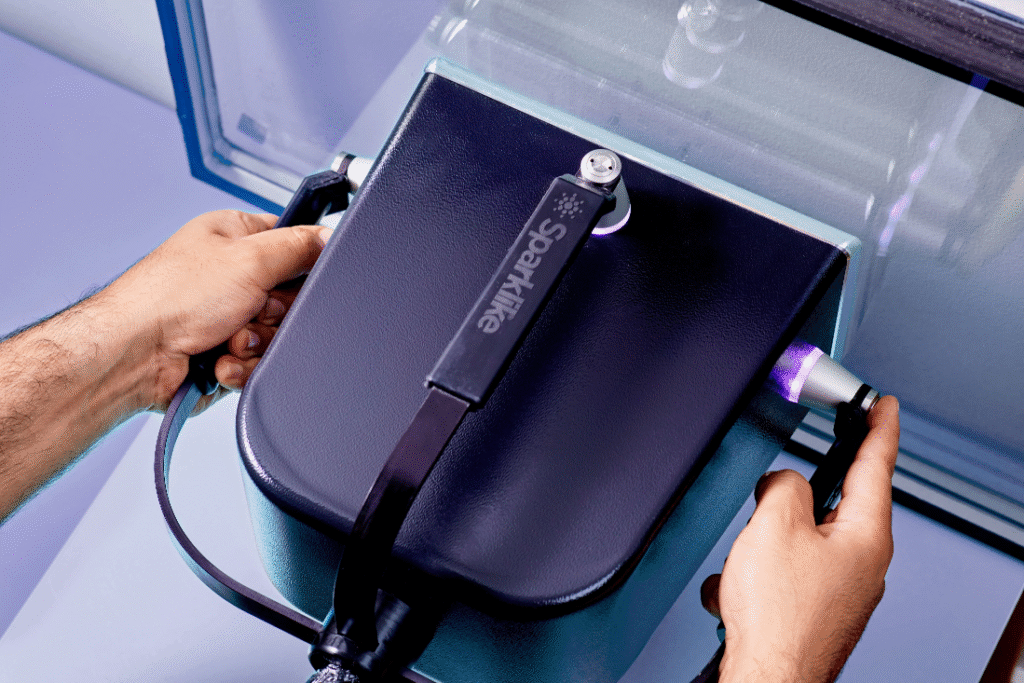
Measuring Argon Gas in Double Pane Windows
One of the main challenges with argon-filled windows is that argon is invisible. Without measurement, it is impossible to confirm:
- Whether argon is present at all
- Whether the gas fill rate meets specification
- Whether gas has leaked during production or over time
This is why insulating gas measurement is an essential part of IGU quality control.
Non-Destructive Insulating Gas Measurement Devices
- Sparklike Handheld – For double glazed insulating glass units filled with argon or krypton
- Sparklike Laser Portable – For double and triple glazed units with coatings and lamination
- Sparklike Laser Integrated – Automated insulating gas measurement system for IG production lines for double and triple glazed untis
In summary, the incorporation of argon gas in windows is a strategic choice to enhance insulation, reduce energy consumption, and create a more comfortable and energy-efficient living or working environment. It aligns with sustainable building practices and contributes to overall energy conservation. Read how Regency Glass has implemented argon gas testing to their production’s quality control.
FAQs: Argon Gas in Windows
How long does argon gas last in double pane windows?
In well-manufactured sealed units, argon leakage is typically very slow often estimated at around 1% per year. Poor seals or production defects can significantly accelerate gas loss. For example in EN 1279-3:2018 the average leakage rate for gas-filled IGUs must be ≤ 1.0% per year, with no individual specimen exceeding 1.20% per year.
Can you see if a window contains argon gas?
No. Argon is invisible, odorless, and cannot be detected without specialized measuring equipment, like Sparklike non-invasive gas measurement devices for IGUs.
Does argon gas improve energy efficiency enough to matter?
Yes. An IGU with insufficient argon content can lose a significant portion of its insulating performance, directly affecting energy efficiency and compliance. In our blog post Argon-Filled Units: Why Fill Rate Matters for Reliable Insulation Performance shows the impact of Argon on U-value.