In the pursuit of sustainable and energy-efficient living, selecting the right windows plays a critical role. Energy Star, a trusted symbol for energy efficiency, provides clear performance criteria for windows that help reduce energy consumption and improve indoor comfort.
For manufacturers, meeting ENERGY STAR® 7.0 requirements is essential for producing energy-efficient insulated windows that comply with current expectations. For builders and homeowners, the label offers a trusted benchmark when comparing window performance.
Read also our articles on
- Standards and Regulations in Insulating Gas Measurement,
- Chinese Insulating Glass Standard GB/T 11944 and
- Australian National Construction Code.
Understanding the ENERGY STAR® Rating for Windows
ENERGY STAR-rated windows are designed to meet energy efficiency guidelines developed by the U.S. Environmental Protection Agency (EPA).
These guidelines evaluate window performance based on:
- U-factor (U-value) – how well the window prevents heat transfer
- Solar Heat Gain Coefficient (SHGC) – how much solar heat enters through the window
- Air leakage – how much air passes through the window assembly
By choosing windows that meet ENERGY STAR requirements, energy consumption can be reduced, utility costs lowered, and overall carbon footprint minimized.
Read how Weihai Blue Star Verifies Insulating Glass Seal Integrity with Sparklike Handheld.
Key Features of ENERGY STAR-Rated Insulating Windows
Enhanced Insulation
ENERGY STAR-rated windows typically use:
- Low-emissivity (Low-E) coatings
- Double or triple glazing
- Insulating gas fills
These elements work together to limit heat transfer, keeping indoor spaces warmer in winter and cooler in summer.
UV Protection
ENERGY STAR windows help block harmful ultraviolet radiation. This not only protects interior furnishings from fading but also contributes to improved indoor comfort.
Reduced Air Leakage
Properly sealed ENERGY STAR-rated windows significantly reduce unwanted air movement in and out of the building envelope. This improves thermal stability and reduces the workload on heating and cooling systems.
Solar Heat Gain Control
ENERGY STAR-rated windows are designed to balance natural daylight with solar heat control. By limiting excessive heat gain while maintaining light transmission, these windows support comfort without increasing energy demand.
How Does Insulating Gas Concentration Relate to ENERGY STAR® 7.0?
Thermal Insulation Performance
Insulating gases such as argon or krypton are denser than air. When sealed between glass panes, they reduce heat transfer through the window and help improve the U-value. Lower U-values indicate better insulation and are a key requirement under ENERGY STAR® criteria. Read about the correlation of Argon Fill Rate and U-Value.
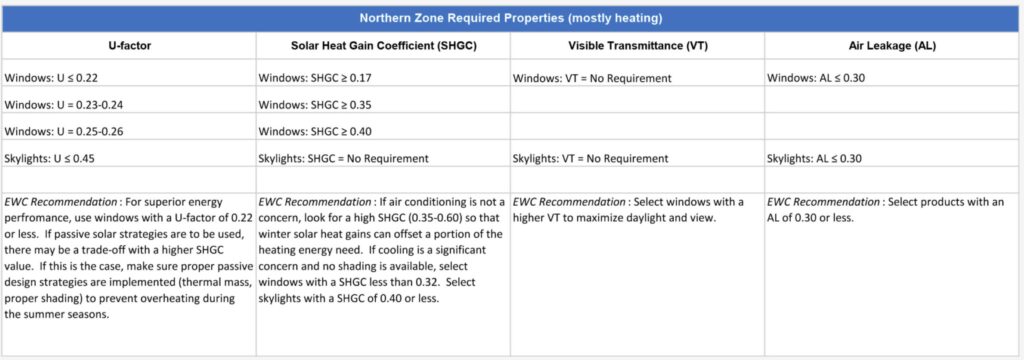
ENERGY STAR® Performance Requirements
ENERGY STAR® sets U-value thresholds that windows must meet to qualify for certification. While several design elements influence performance, the use and retention of insulating gas is one contributing factor in achieving compliant U-values.
Climate Zone Considerations
ENERGY STAR® 7.0 defines requirements based on climate zones. Window designs—including gas fill strategies—may differ depending on whether the focus is on minimizing heat loss in colder regions or reducing solar heat gain in warmer areas.
Comfort and Energy Savings
Windows with appropriate insulating gas concentrations help maintain stable indoor temperatures throughout the year. This improves occupant comfort and reduces reliance on heating and cooling systems, leading to measurable energy savings.
What more to read? Here is out previous article Are Triple Glazed IGUs Necessary to Obtain Energy Efficient Windows?
Conclusion
Choosing ENERGY STAR®-rated insulating windows is a practical step toward energy-efficient and sustainable buildings. While U-value remains a central performance metric, overall window construction including glazing design and insulating gas concentration plays a critical role.
For manufacturers, following ENERGY STAR® 7.0 requirements supports compliance and product credibility. For builders and homeowners, it ensures windows deliver the expected energy performance, comfort, and long-term efficiency.
By prioritizing ENERGY STAR®-compliant insulated windows, stakeholders contribute to lower energy costs, improved indoor comfort, and a more sustainable built environment.