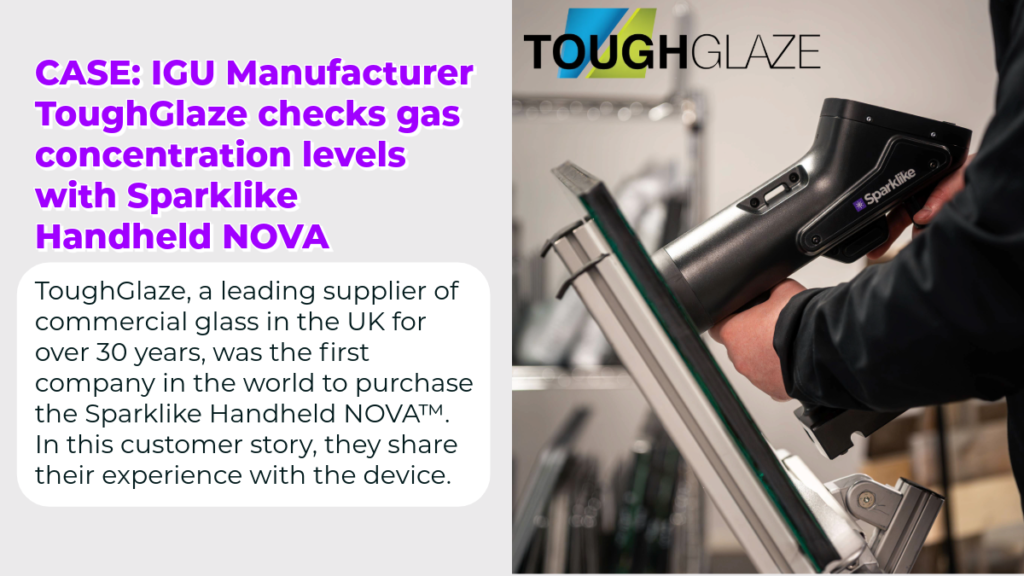
Gas filling and its impact on insulating glass units (IGUs) are closely linked to the use of inert gases, most commonly argon or krypton, to improve thermal and acoustic performance. In modern double and triple glazed units, inert gases are introduced into the cavity between glass panes as part of a controlled manufacturing process.
The principle is straightforward: inert gases have lower thermal conductivity than air. When used inside an IGU, they slow heat transfer through the glazing, improving insulation and supporting energy efficiency requirements.
Below, we outline the key functional benefits of inert gases in IGUs and explain why gas type, concentration, and verification all matter in practice.
Why Inert Gases Are Used in IGUs
Inert gases are chemically stable and non-reactive under normal conditions. When sealed inside an IGU cavity, they do not react with glass, coatings, or sealants, making them suitable for long-term use in window systems.
Compared to air, inert gases:
- Transfer heat more slowly
- Reduce convection inside the cavity
- Support consistent thermal performance over time
For these reasons, inert gas filling has become a standard solution in energy-efficient glazing.
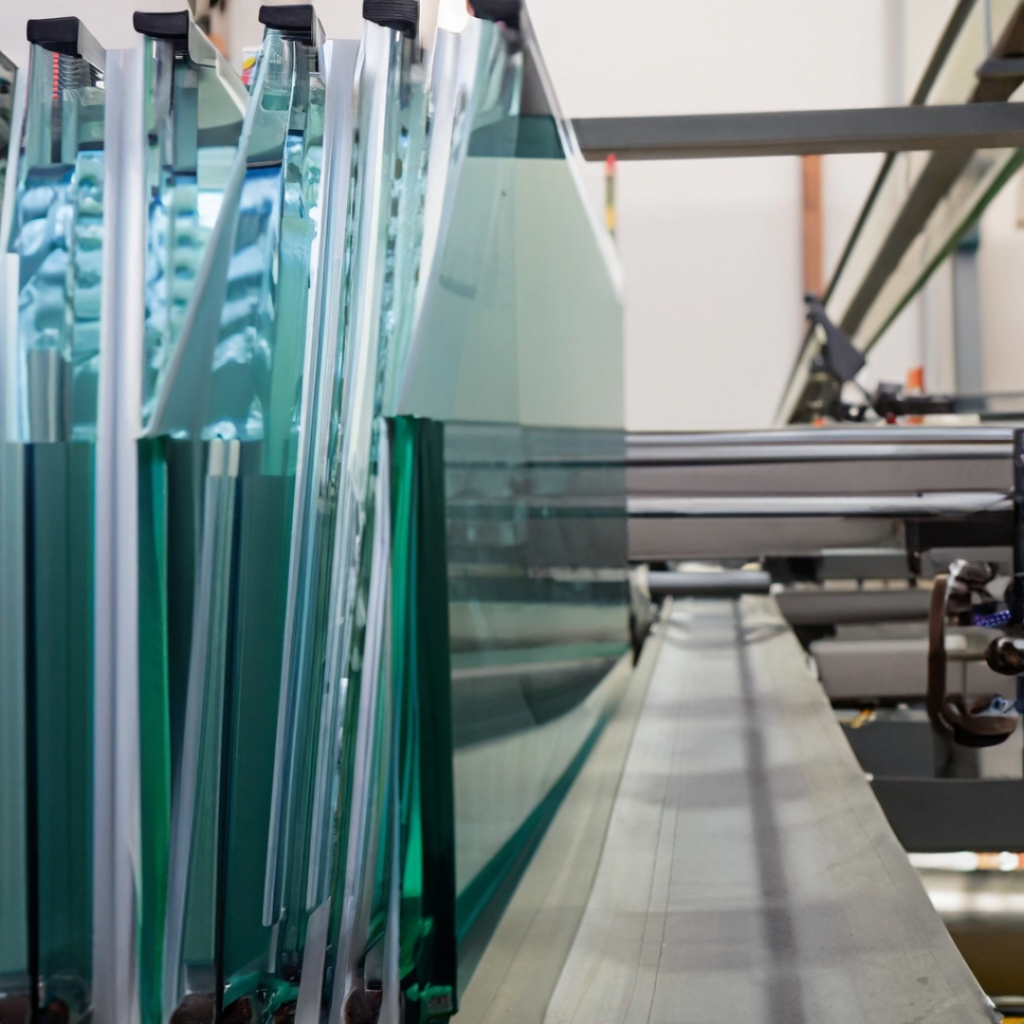
Key Benefits of Gas-Filled IGUs
Improved Thermal Performance
The primary benefit of inert gases in IGUs is improved thermal insulation. Argon and krypton reduce conductive and convective heat transfer between glass panes, lowering the overall heat flow through the window.
This directly affects the U-value of the IGU. Lower U-values indicate better insulation and are often required to meet modern building energy regulations and voluntary energy efficiency programs.
Enhanced Sound Insulation
Gas-filled IGUs can also contribute to improved sound insulation. The increased density of inert gases compared to air helps dampen sound transmission through the glazing.
While sound performance depends on multiple factors such as glass thickness, pane asymmetry, and cavity width, the use of inert gases can support better acoustic performance in suitable configurations.
Condensation Reduction
Inert gases help reduce temperature differences between the inner and outer glass surfaces. By improving insulation, gas-filled IGUs lower the likelihood of condensation forming on the interior pane, particularly in cold climates.Read why do windows fog up in winter.
Reduced condensation supports:
- Better indoor comfort
- Improved visual clarity
- Longer service life of window components
Factors That Influence the Effectiveness of Inert Gases
The performance benefits of gas-filled IGUs depend on more than the presence of gas alone. Key influencing factors include:
- Type of gas: Argon is widely used for its balance of cost and performance, while krypton offers higher insulation in narrower cavities
- Gas concentration: Thermal performance decreases as gas levels drop
- Cavity spacing: Optimal cavity width is required to achieve maximum insulation benefit
- Glass coatings: Low-emissivity coatings work together with inert gases to reduce heat transfer
- Overall IGU design: Frame materials, sealing quality, and manufacturing consistency all play a role
Because inert gases are invisible, gas concentration cannot be confirmed visually. Without measurement, the actual performance of a gas-filled IGU cannot be fully verified.
Ongoing Development in IGU Technology
Advancements in window technology and materials science continue to refine how inert gases are used in IGUs. Improvements in:
- Sealing materials
- Spacer systems
- Coatings
- Measurement technologies
all contribute to more reliable long-term performance. As performance requirements become stricter, verifying insulating gas concentration is increasingly important in quality control and compliance processes.
Conclusion
Inert gases play a central role in the performance of modern insulating glass units. By reducing heat transfer, improving sound insulation, and minimizing condensation risk, gases such as argon and krypton support the energy efficiency and durability of glazing systems.
However, the benefits of inert gas filling depend on correct application, sufficient concentration, and reliable verification. For manufacturers and glazing professionals, understanding the role of inert gases and ensuring their performance in practice is essential for producing high-quality, energy-efficient IGUs.